
My path to instructional design has been anything but linear. With a background in graphic design and retail—and an extended, fulfilling, wonderful detour teaching Art History—I’ve worn many creative hats. Working with small businesses taught me how to be resourceful and adaptable, finding ways to do more with less.
Landing in ID and LXD felt like the moment all my quirky skills joined forces to create the perfect fit. In my current role I get to blend creativity with strategy - I design intuitive learning experiences and craft accessible learning platforms.
I create animated communication videos, training program logos, and related print materials, along with bite-sized explainer videos —all to support training initiatives and keep policy updates engaging and accessible.
Visual Design
Visual storytelling is my jam. From infographics, videos, and slides to internal branding, e-learnings, and communications - I strive for the biggest impact with the simplest solution.
My Skill Set

Instructional Design
ADDIE and SAM (my personal go-to) are the backbone of any project. The real magic comes from working with SMEs to transform their complex content into compelling learning moments. It's pure alchemy!
User Experience
The good content versus good visuals debate is as old as the chicken-and-egg question in instructional design. I firmly believe both are important, but it's the intuitive design, storytelling, and visuals that make it memorable.

Instructional Design vs LXD
Although the functions of ID and LXD often overlap, I find that LXD better captures the full range of my work. Learning Experience Design reflects not only my visual design skills but also how I integrate design practice into an organization’s broader learning goals and the entire learner experience. I consider the tools learners readily use and those available within the business, focusing on digital-first content that fits seamlessly into both.
My Design Process
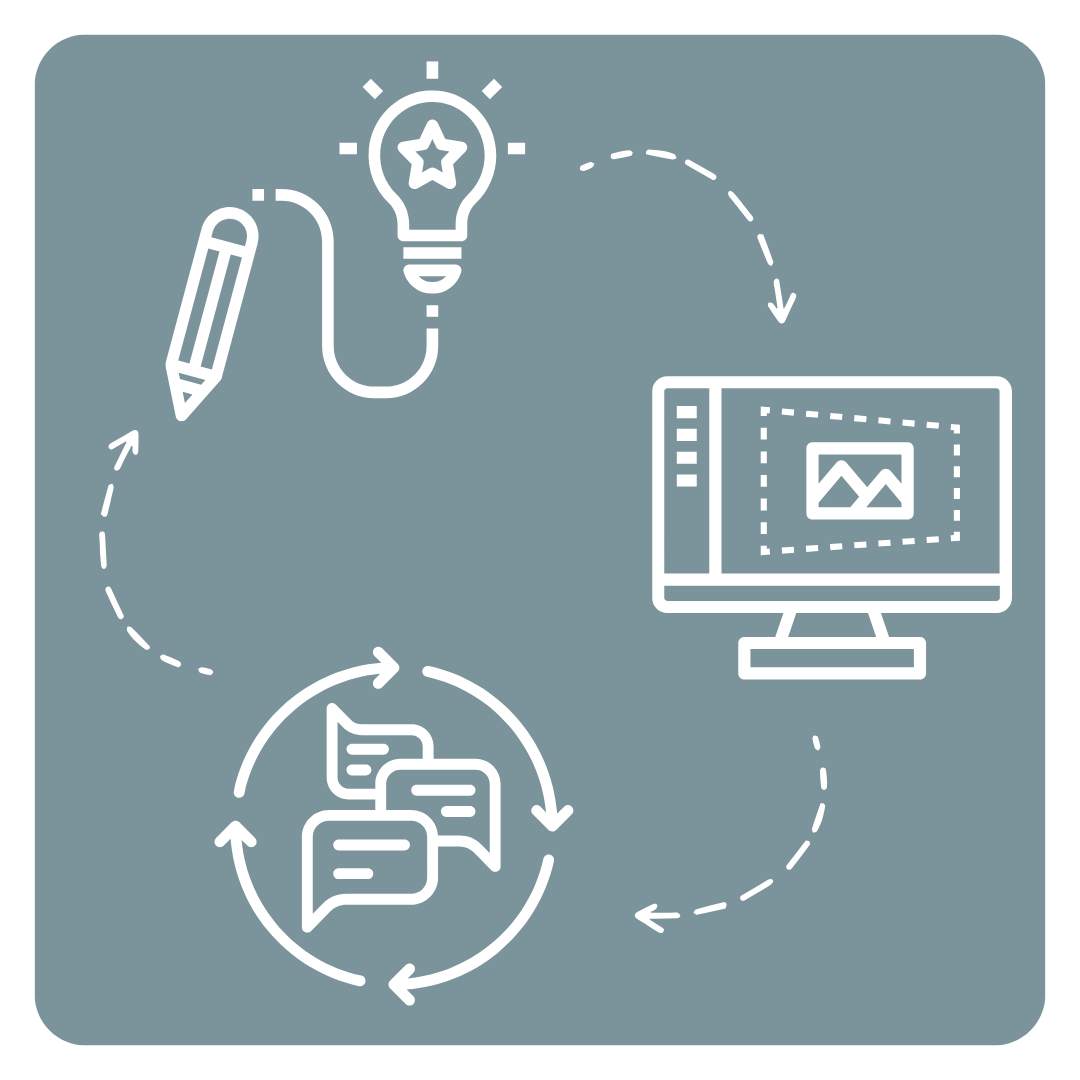
While ADDIE provides a solid framework, I find that SAM better aligns with how I work—allowing for faster iterations and early feedback to create stronger learning experiences. I don’t wait for every detail to be finalized before testing ideas. Instead, I collaborate with SMEs and stakeholders early, using quick prototypes or sketches to validate direction before committing to full development.
Rather than designing an entire course upfront, I develop small, testable pieces—like a module, interaction, or scenario—to gather real feedback early. This reduces rework and ensures we’re building something effective from the start.
Learning design is never ‘one and done.’ I build in feedback loops, track analytics and feedback post-launch, and refine content as needed, ensuring courses stay relevant and impactful long after release.